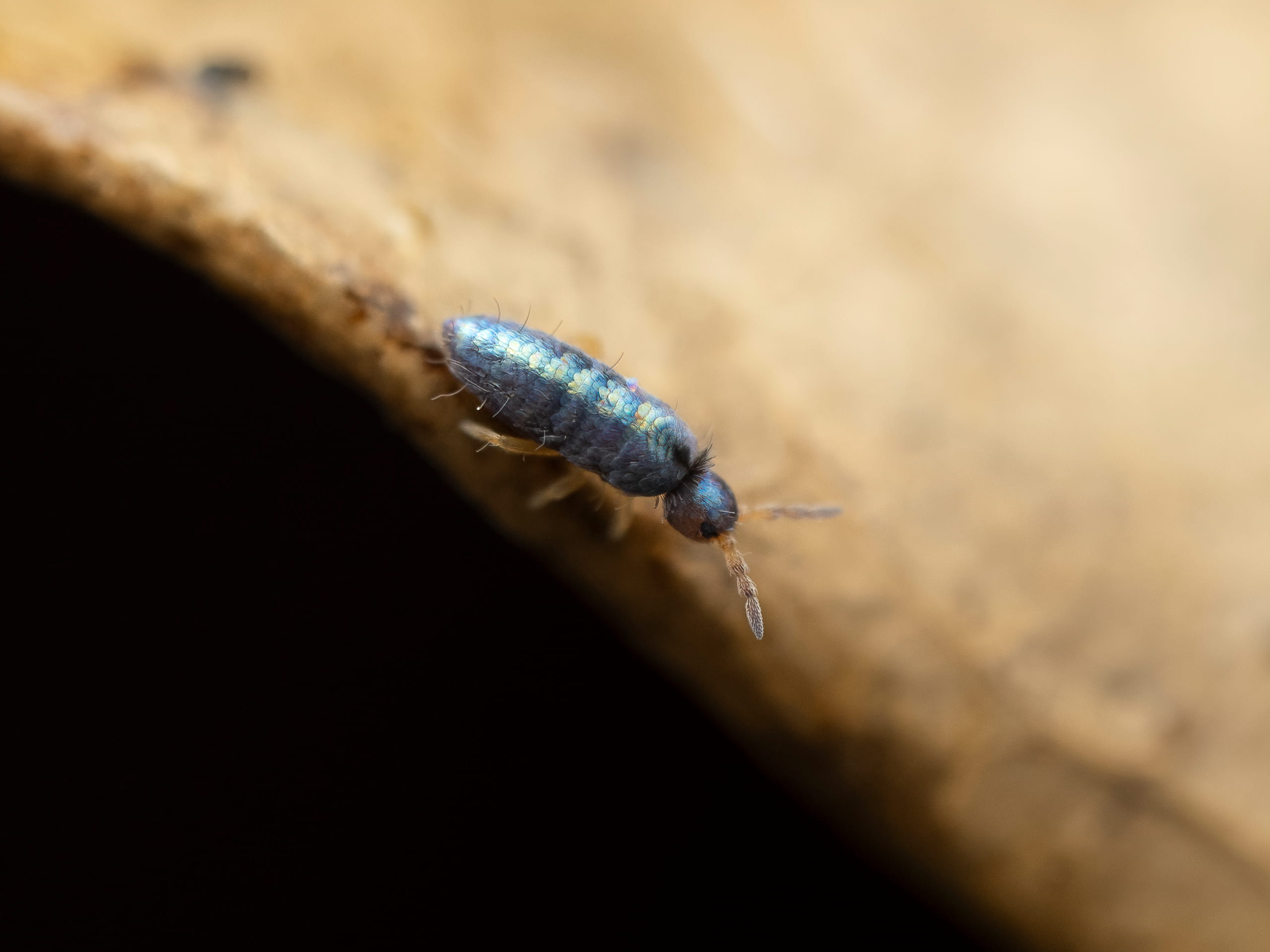
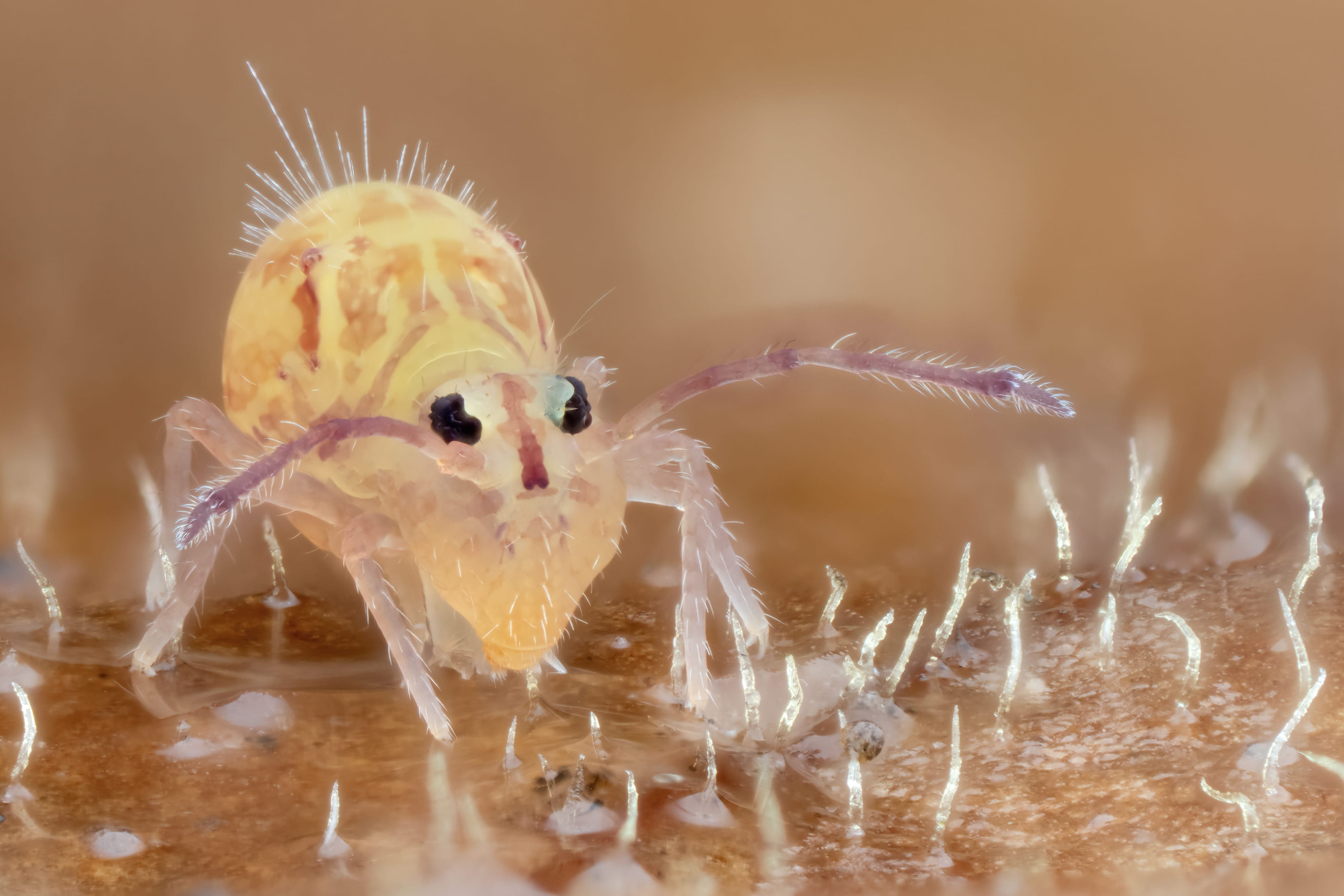
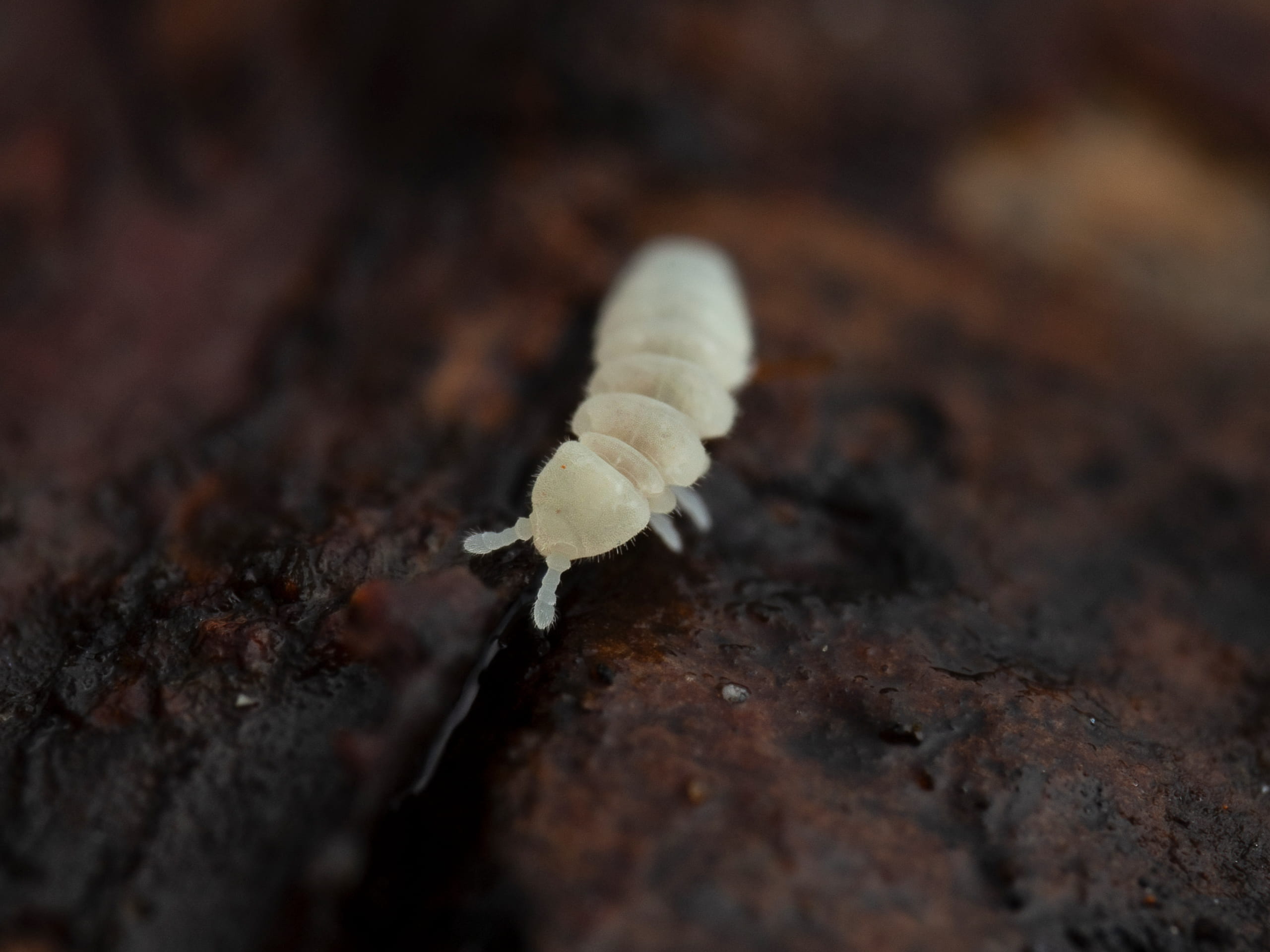
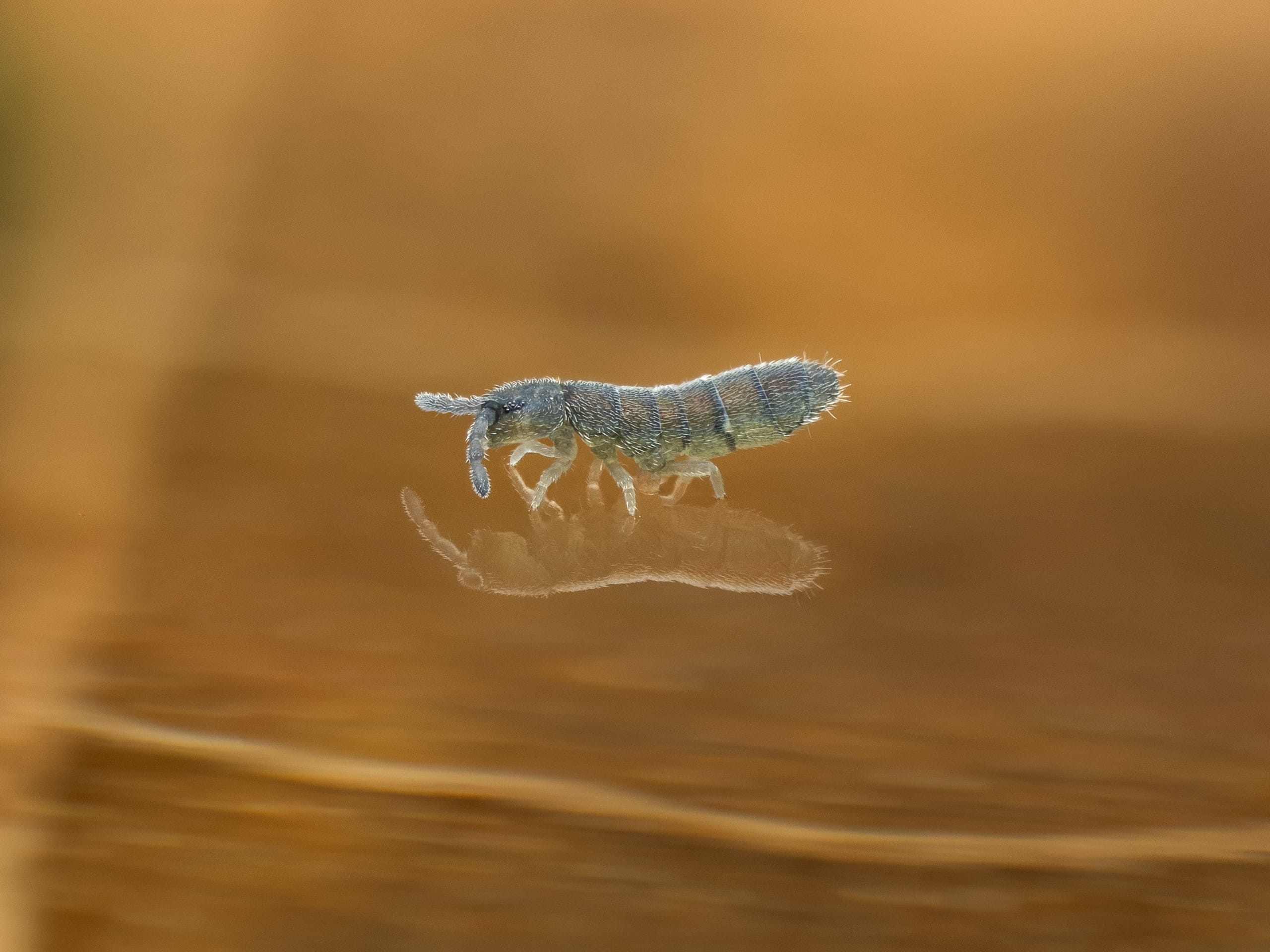
What are Collembola?
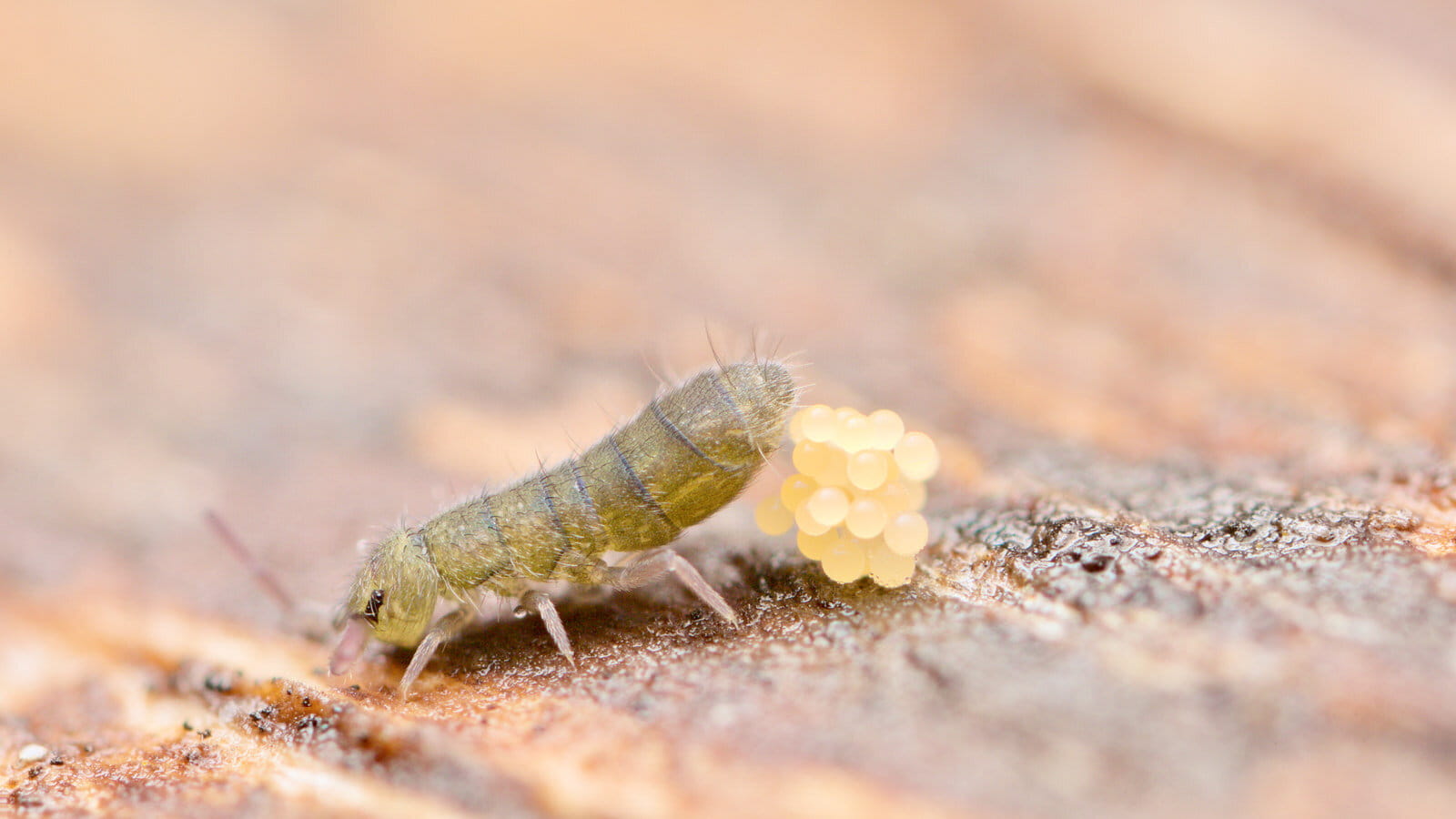
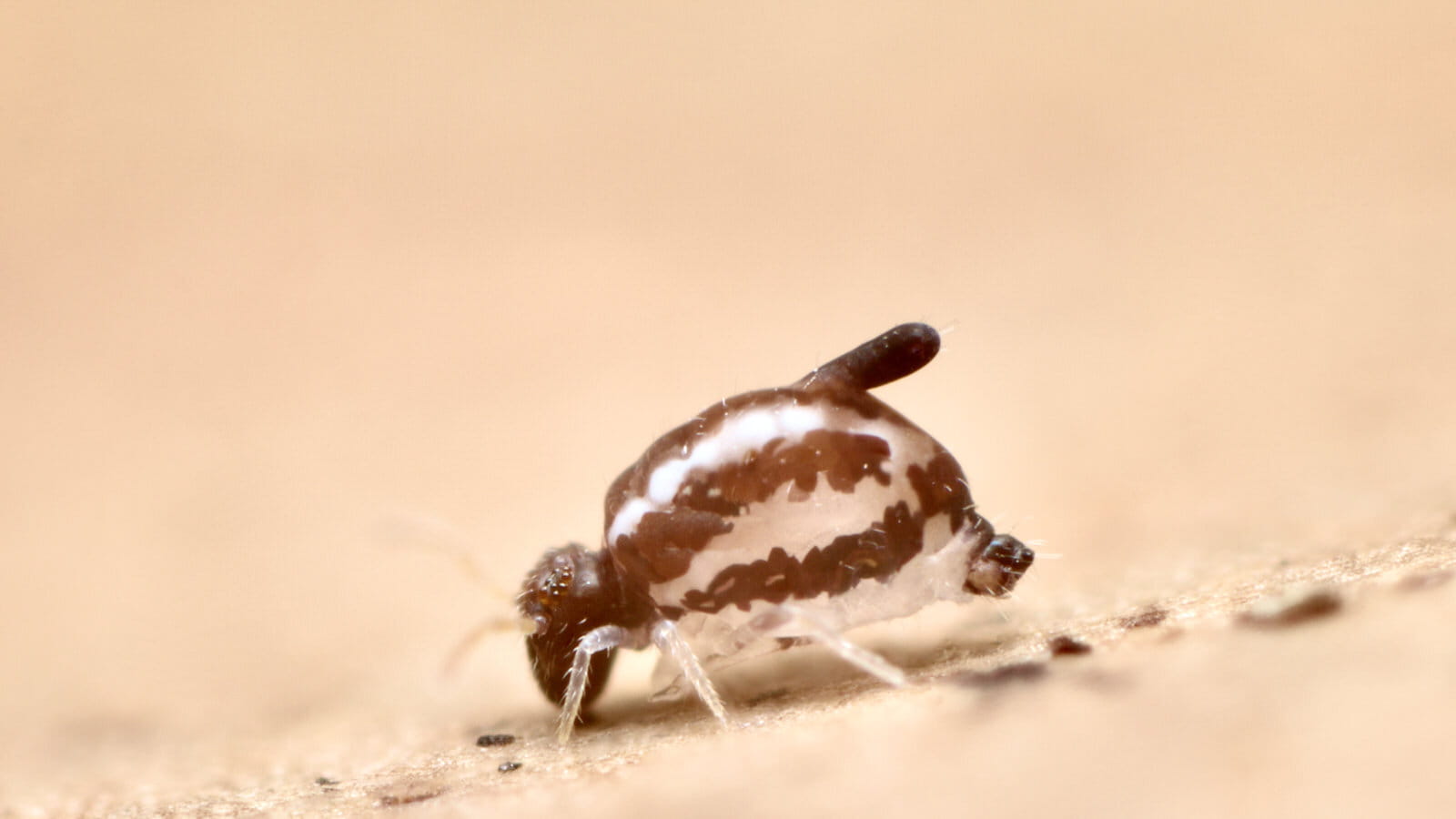
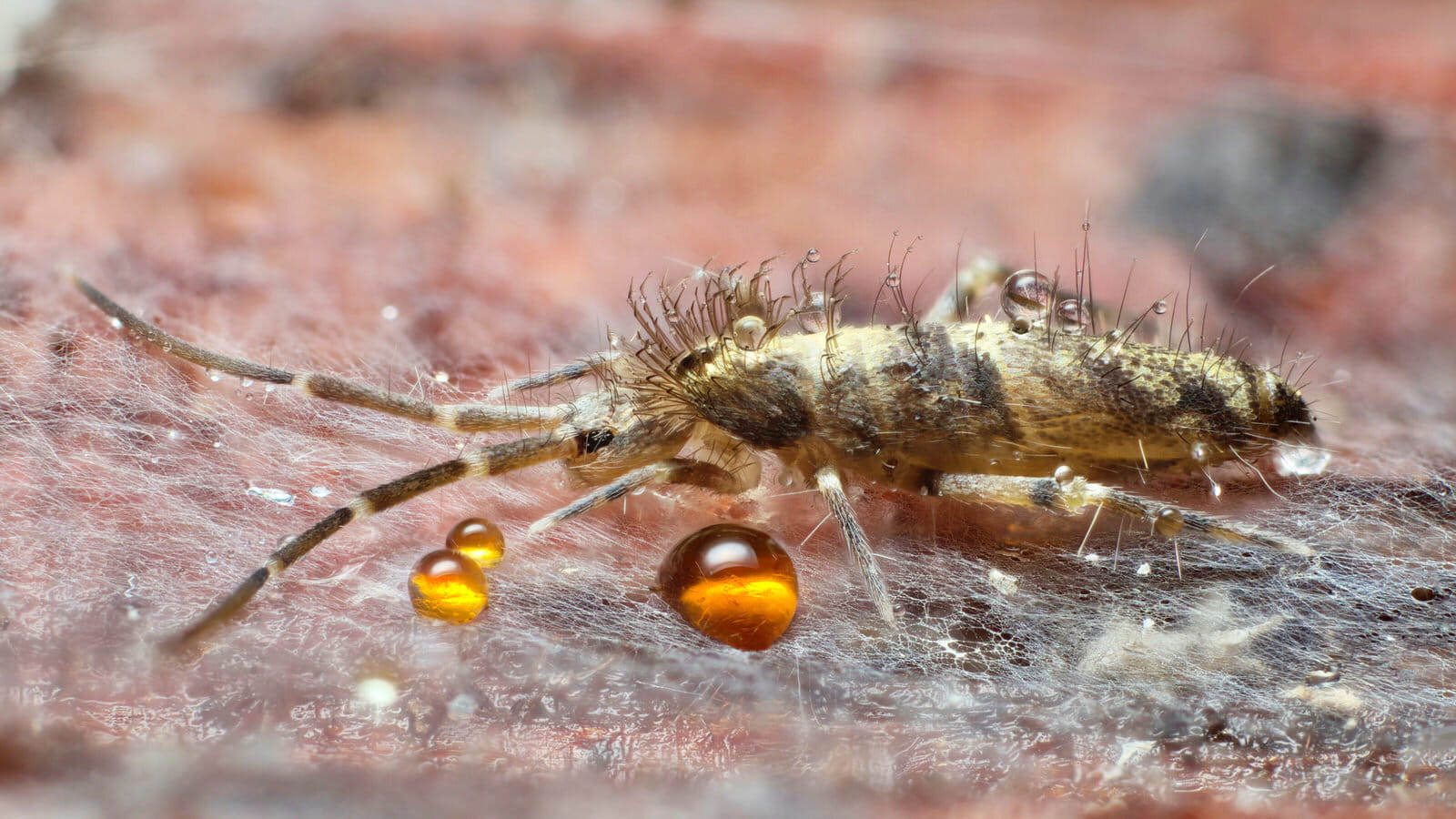
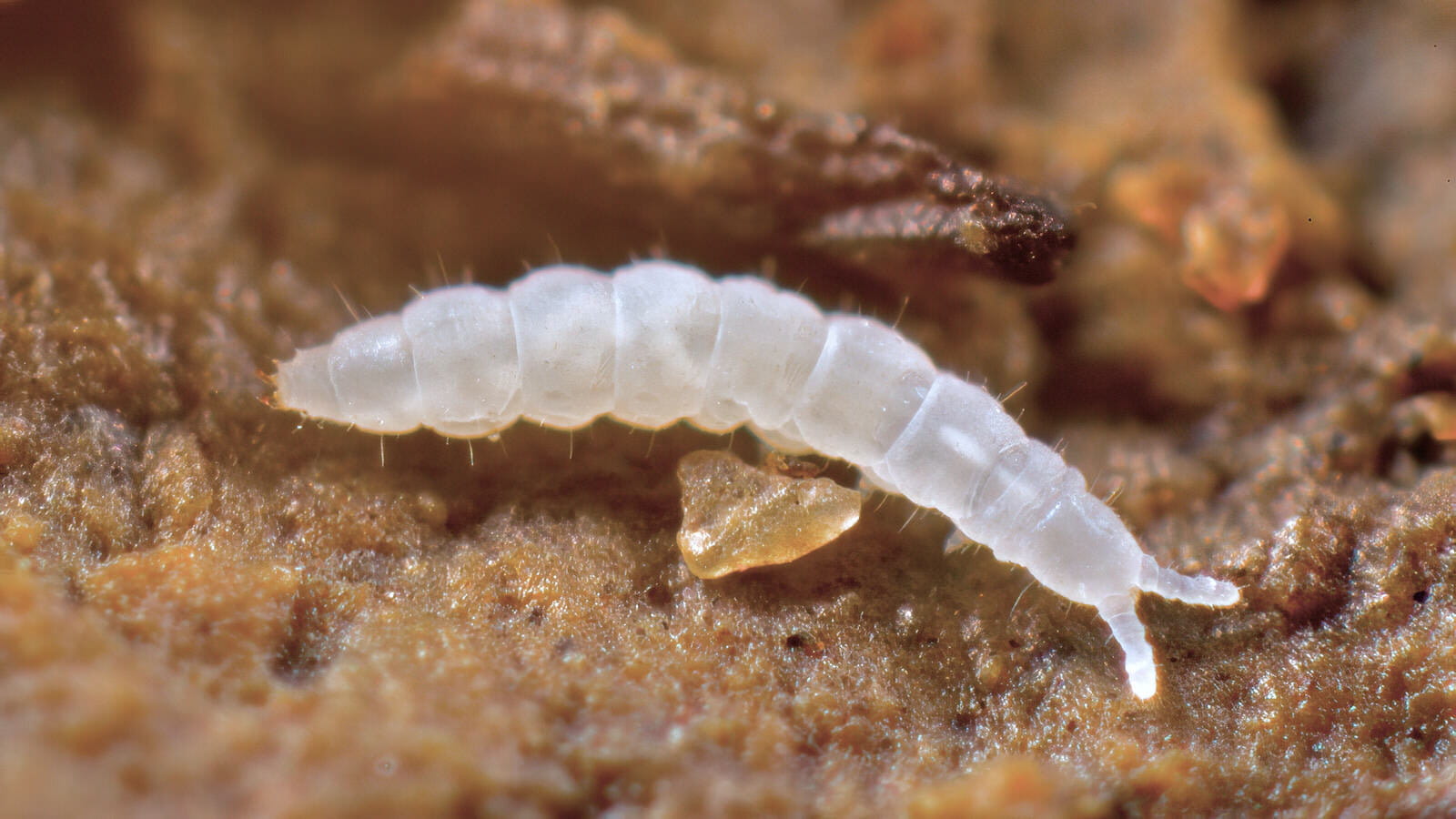
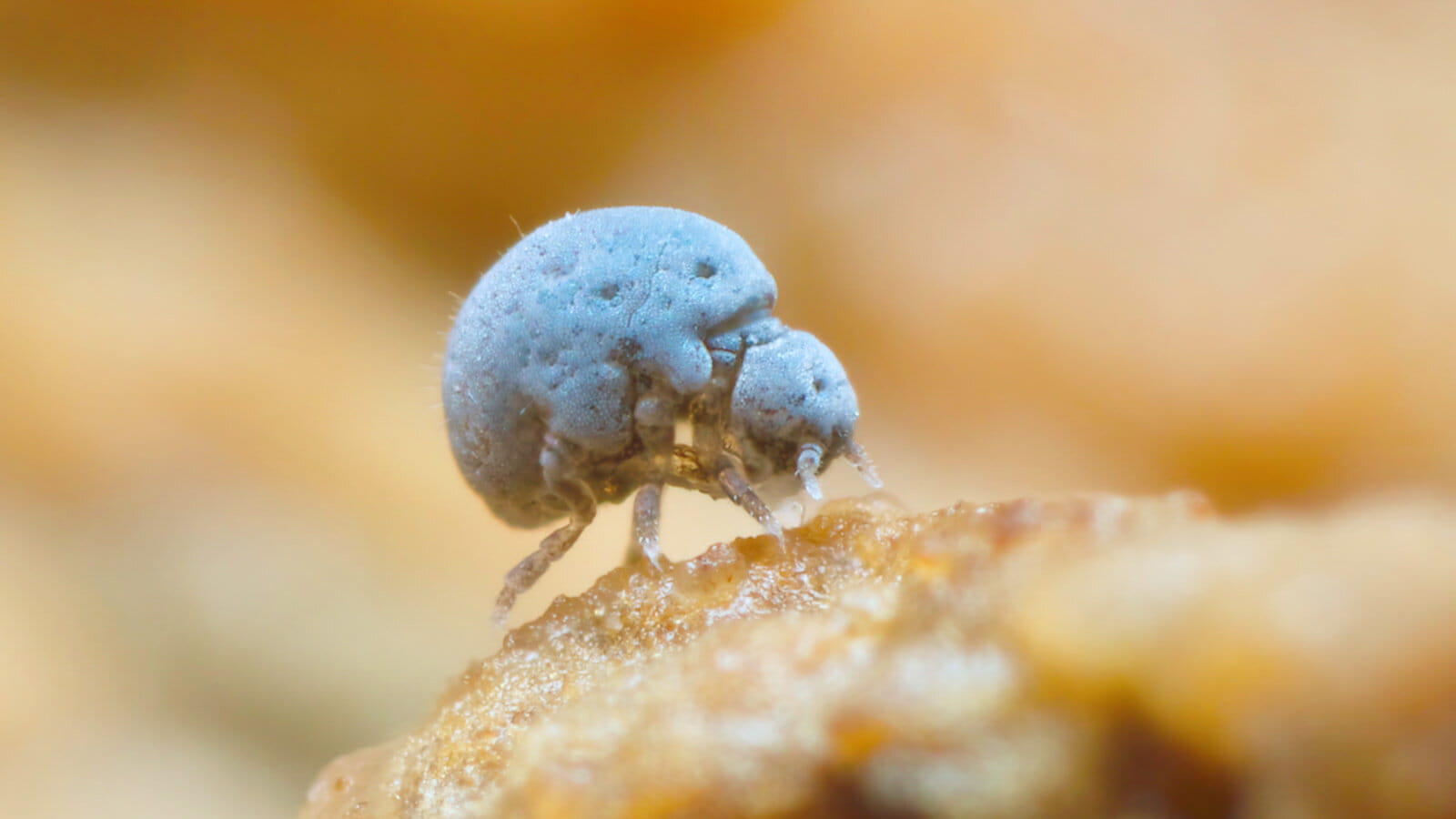
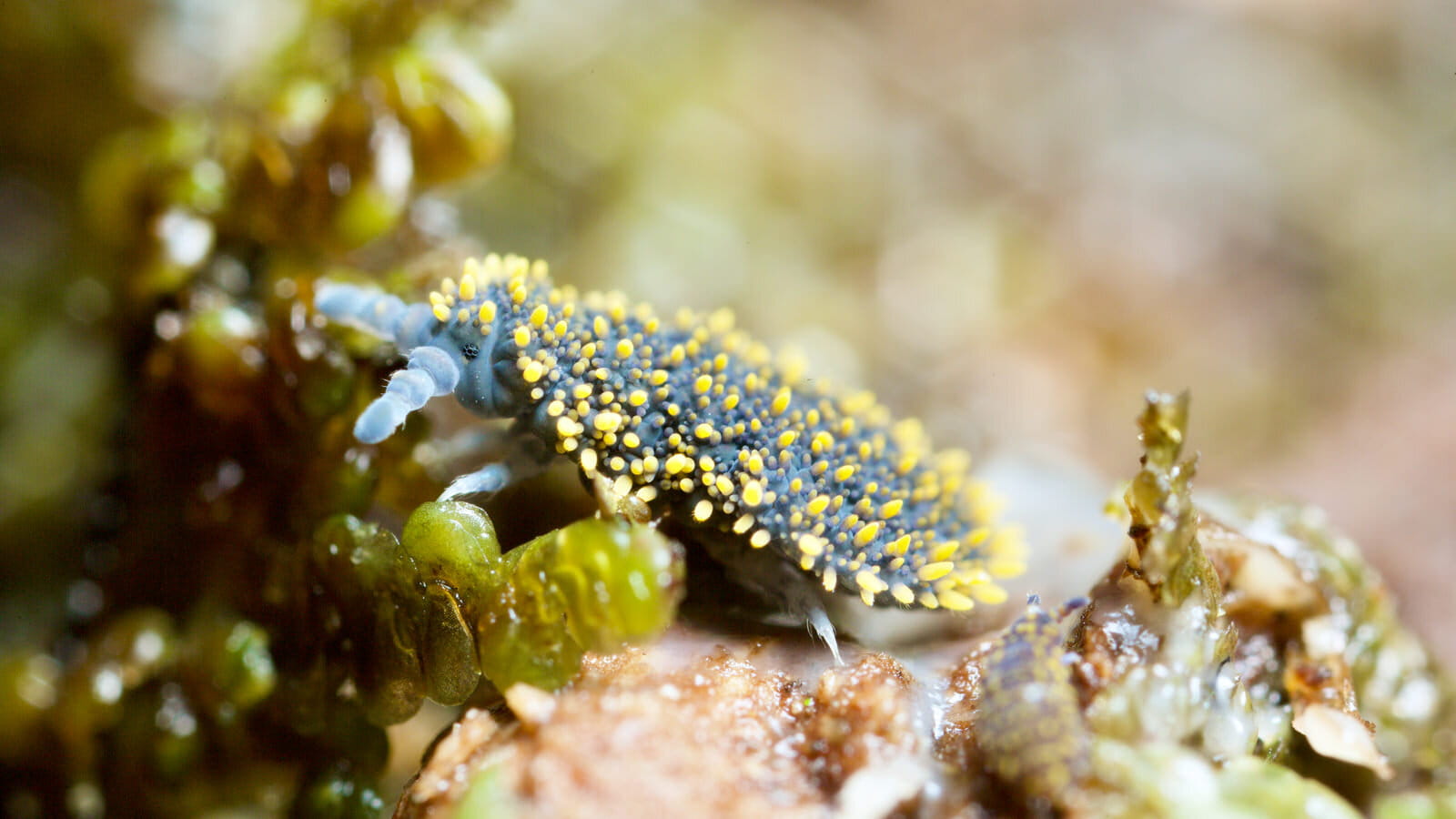
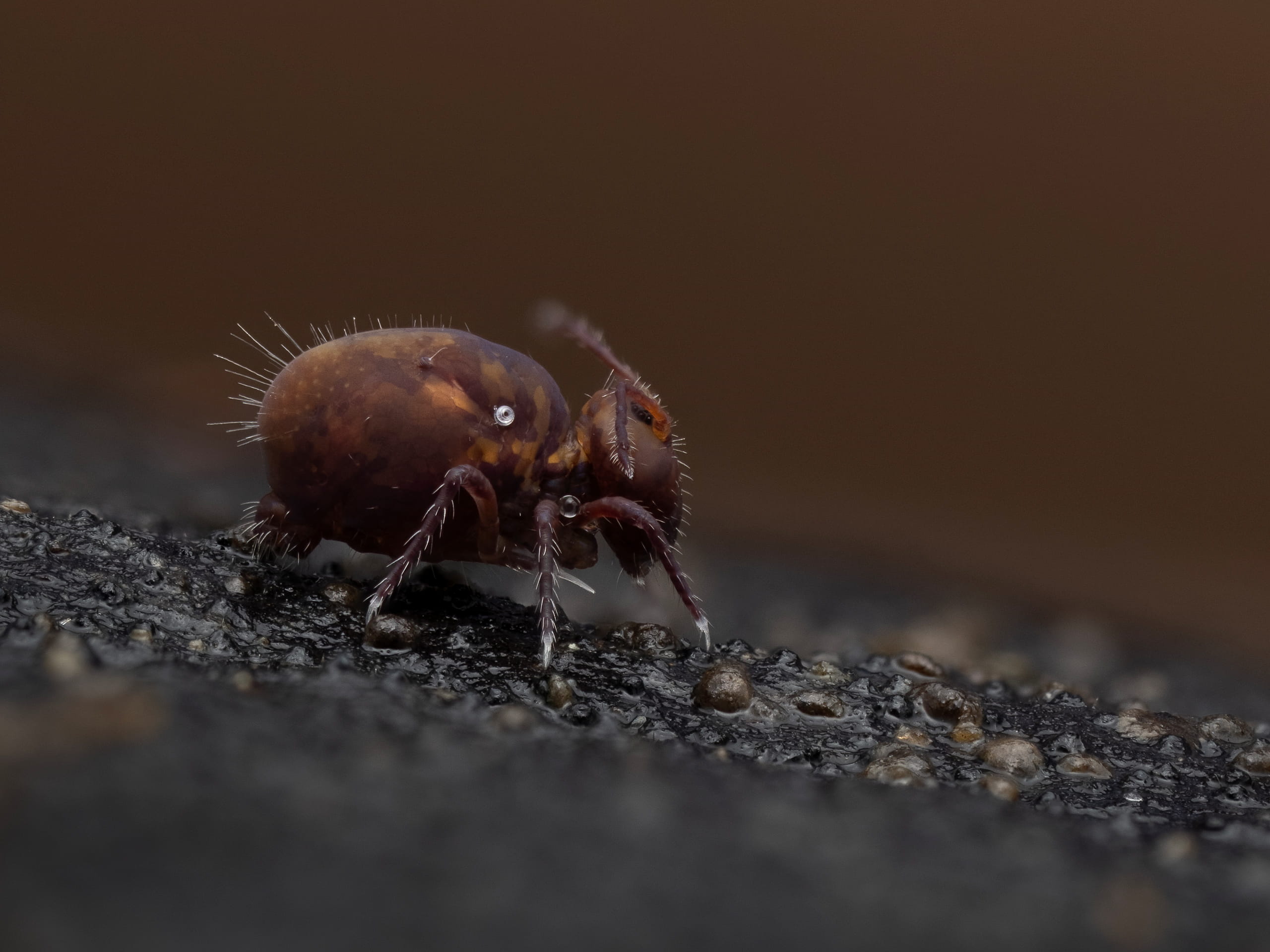
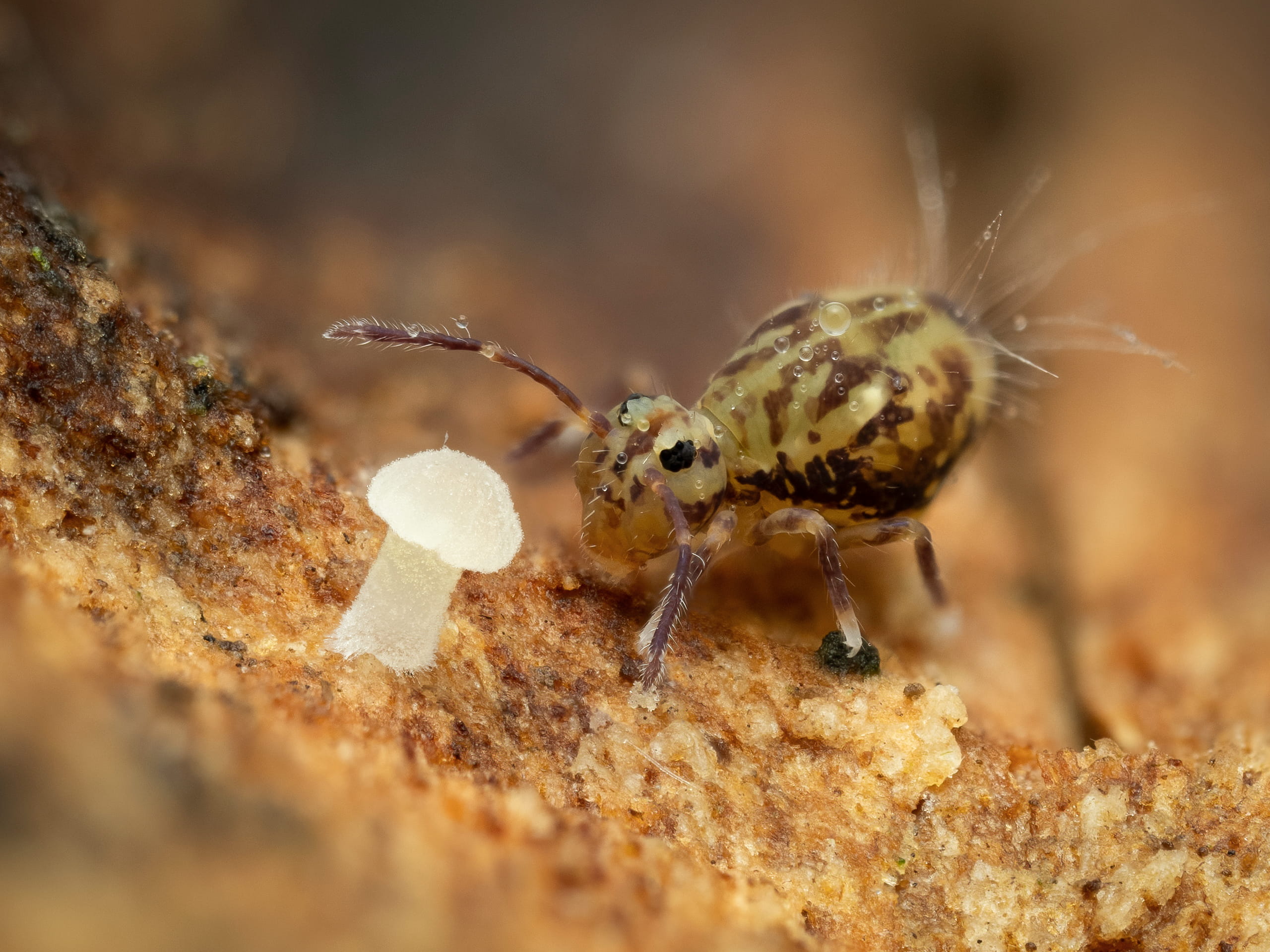
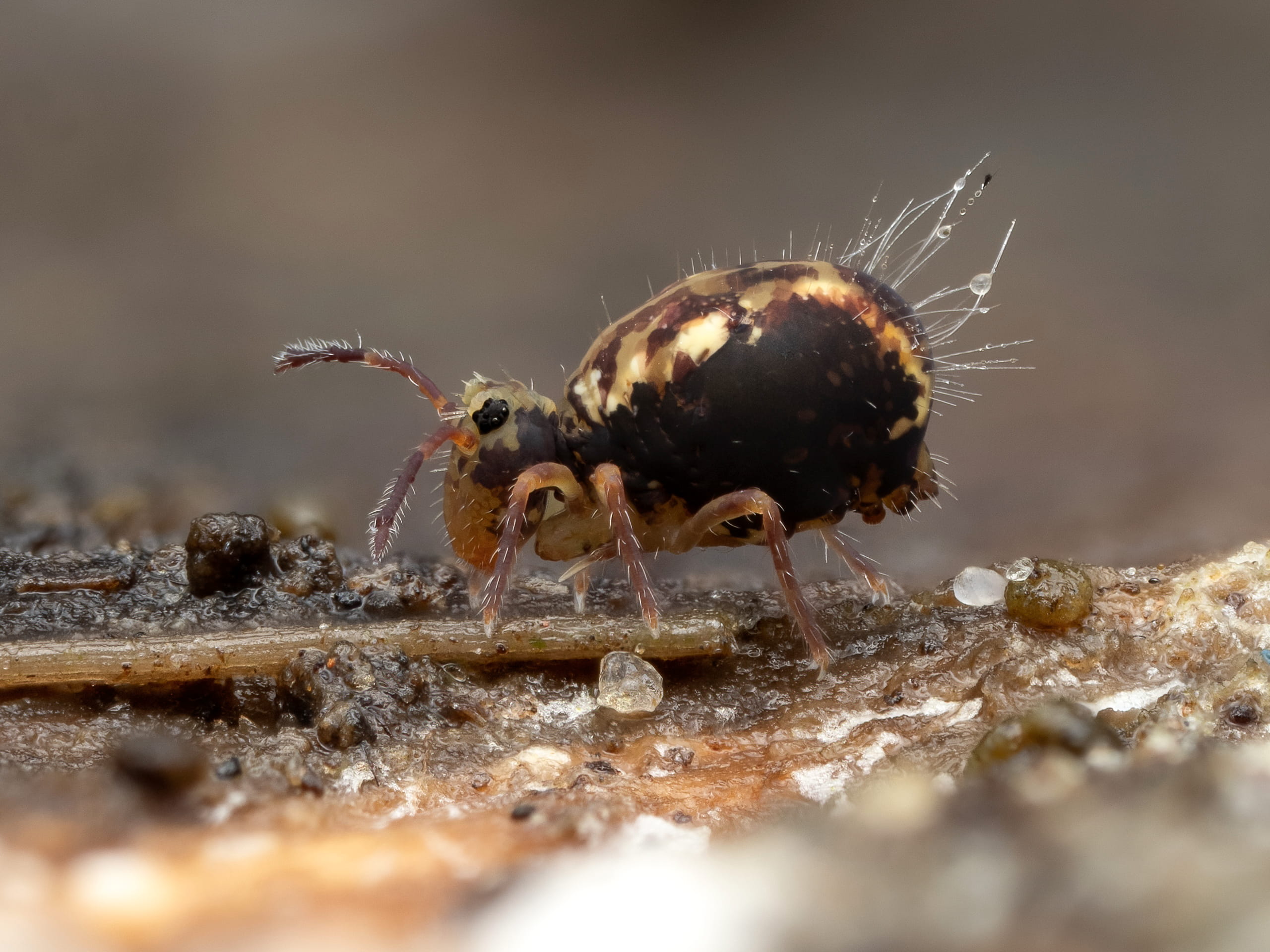
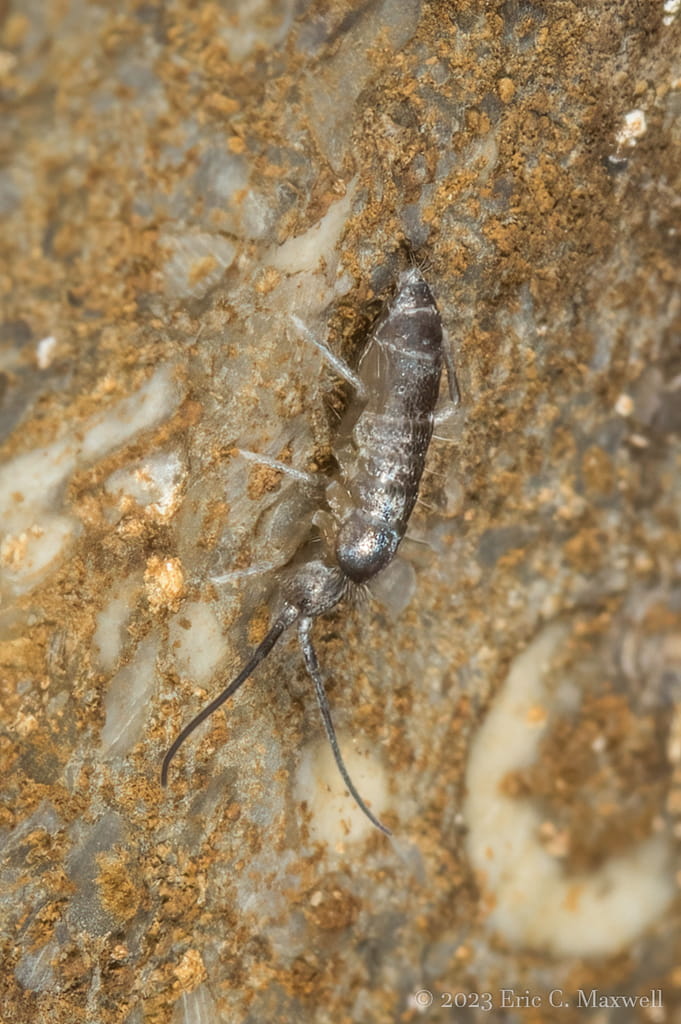
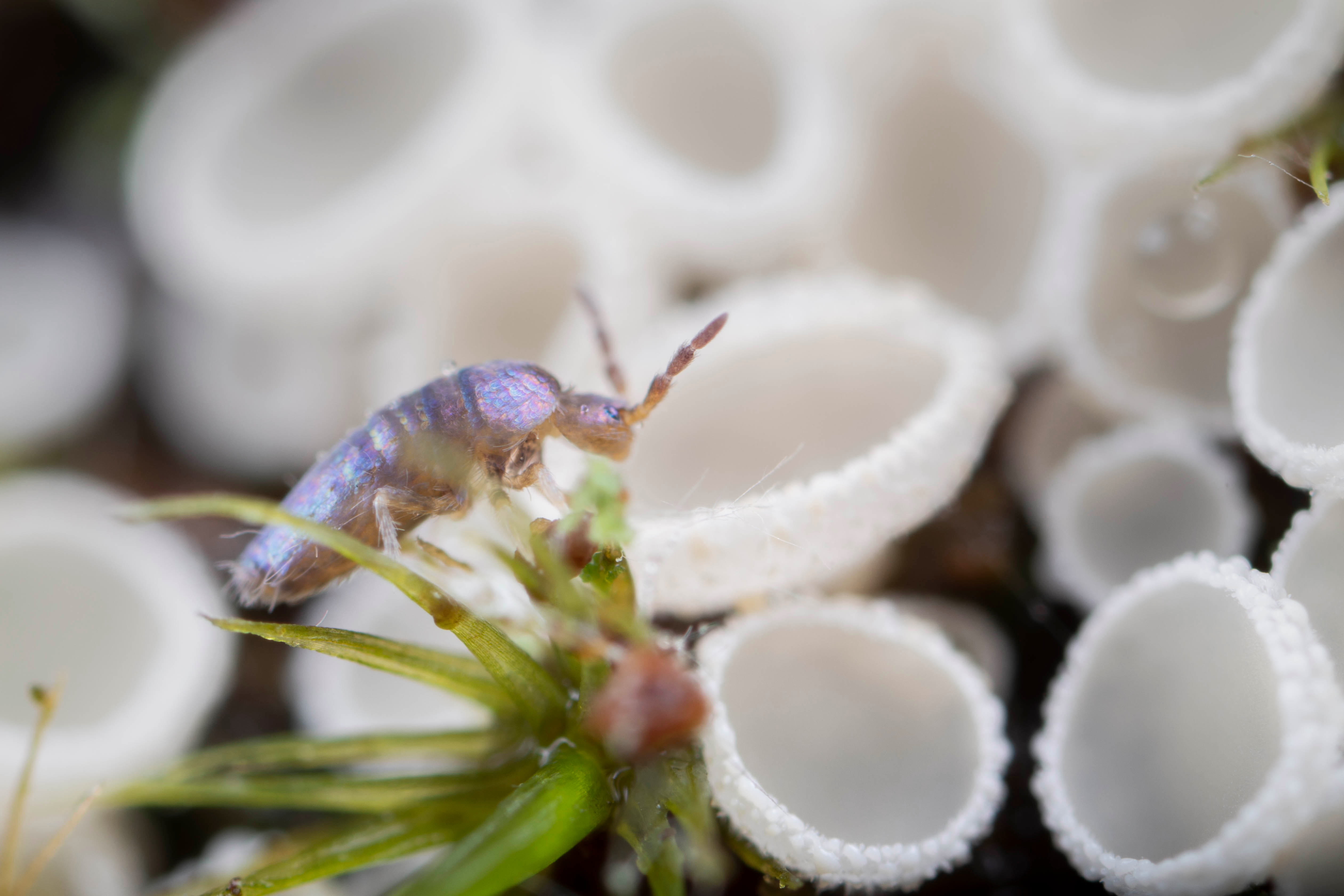
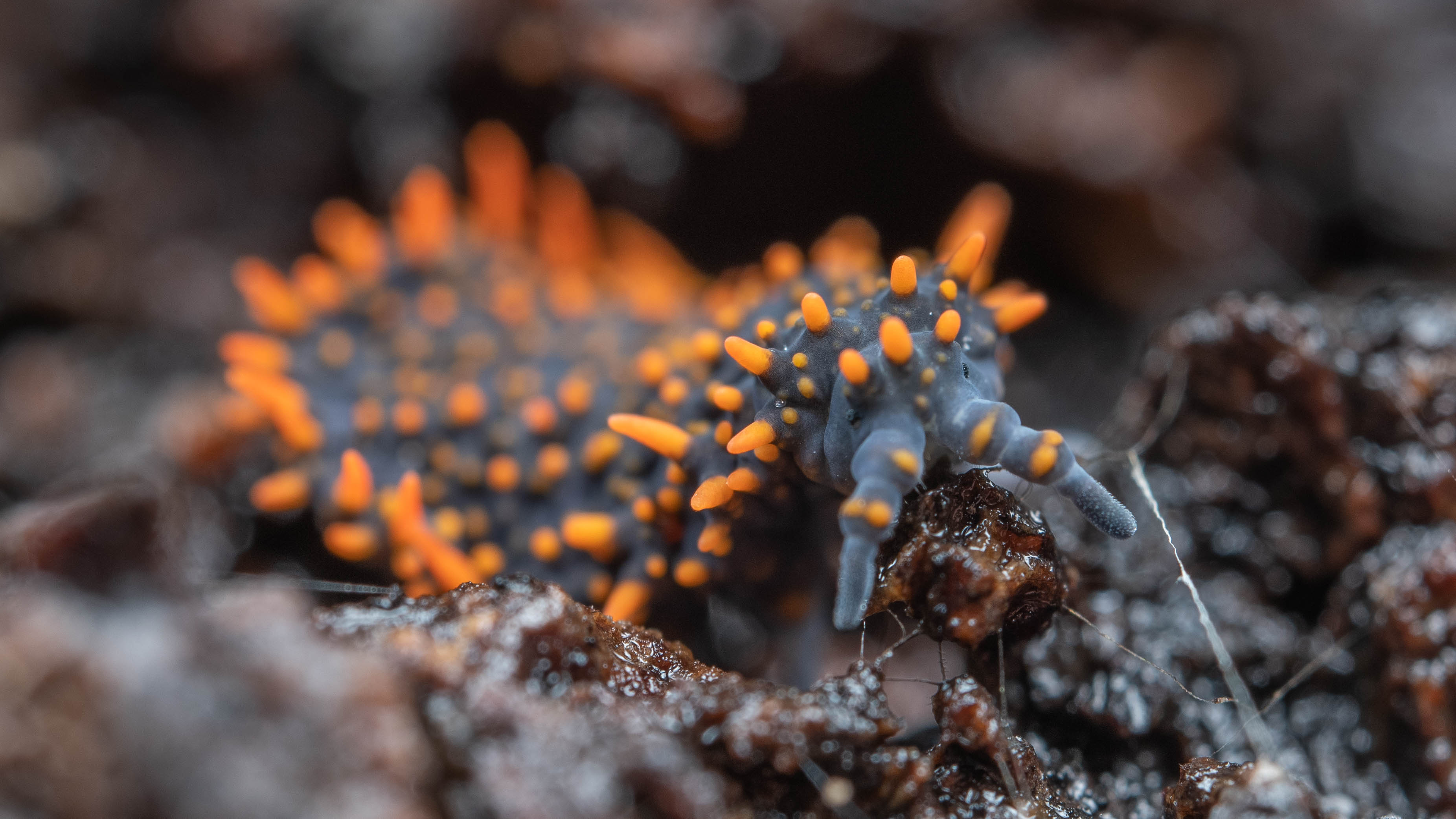
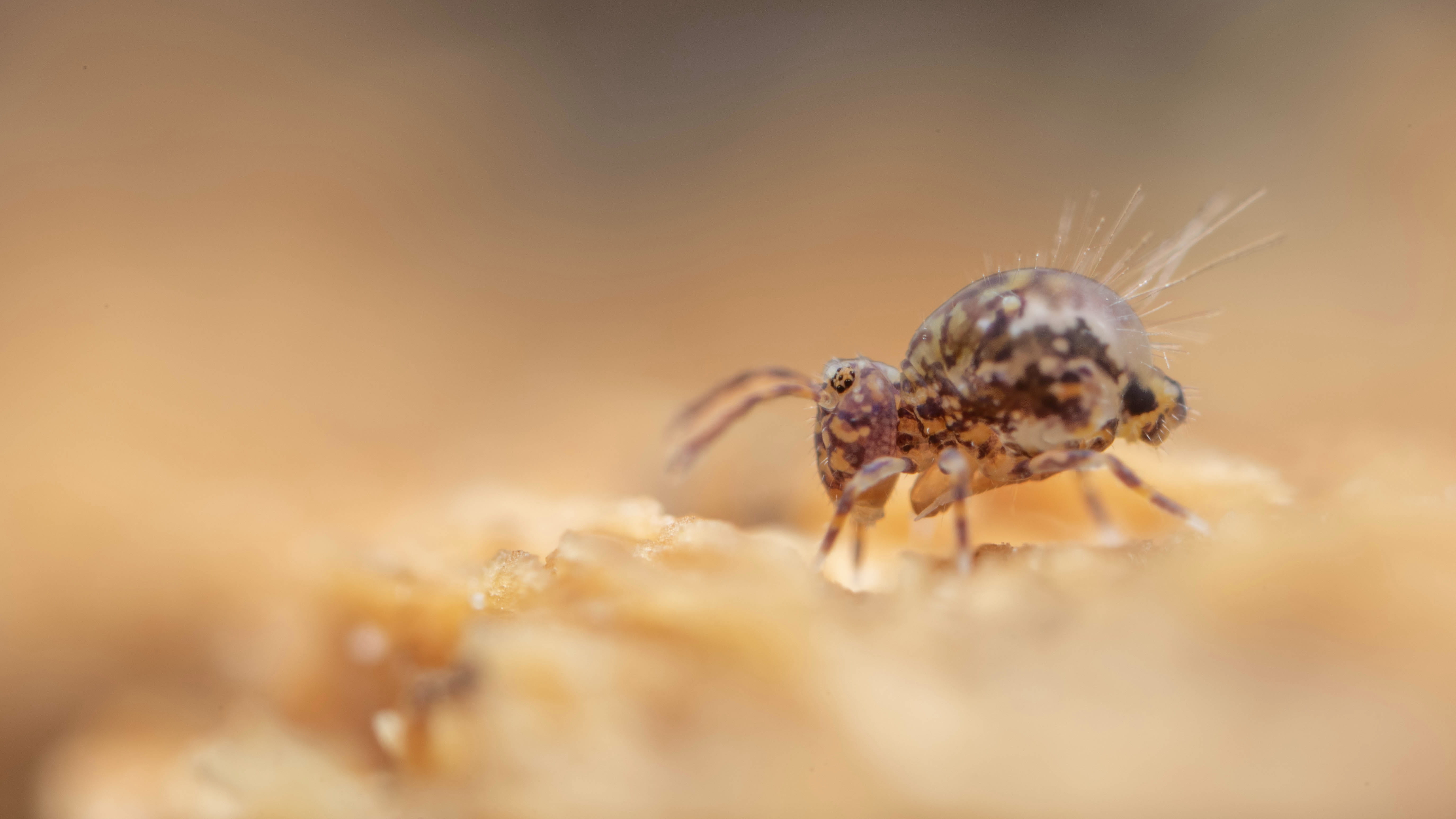
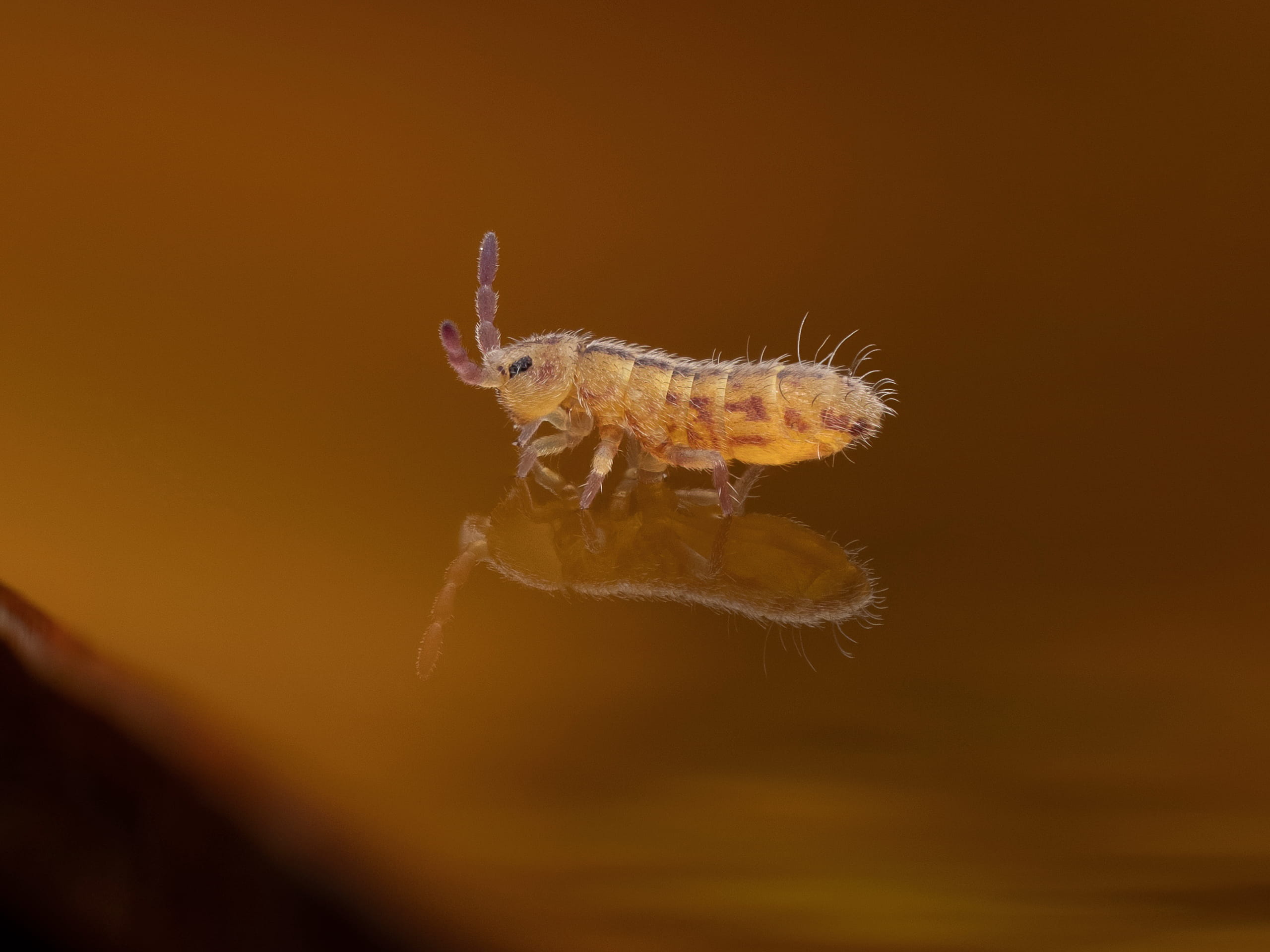
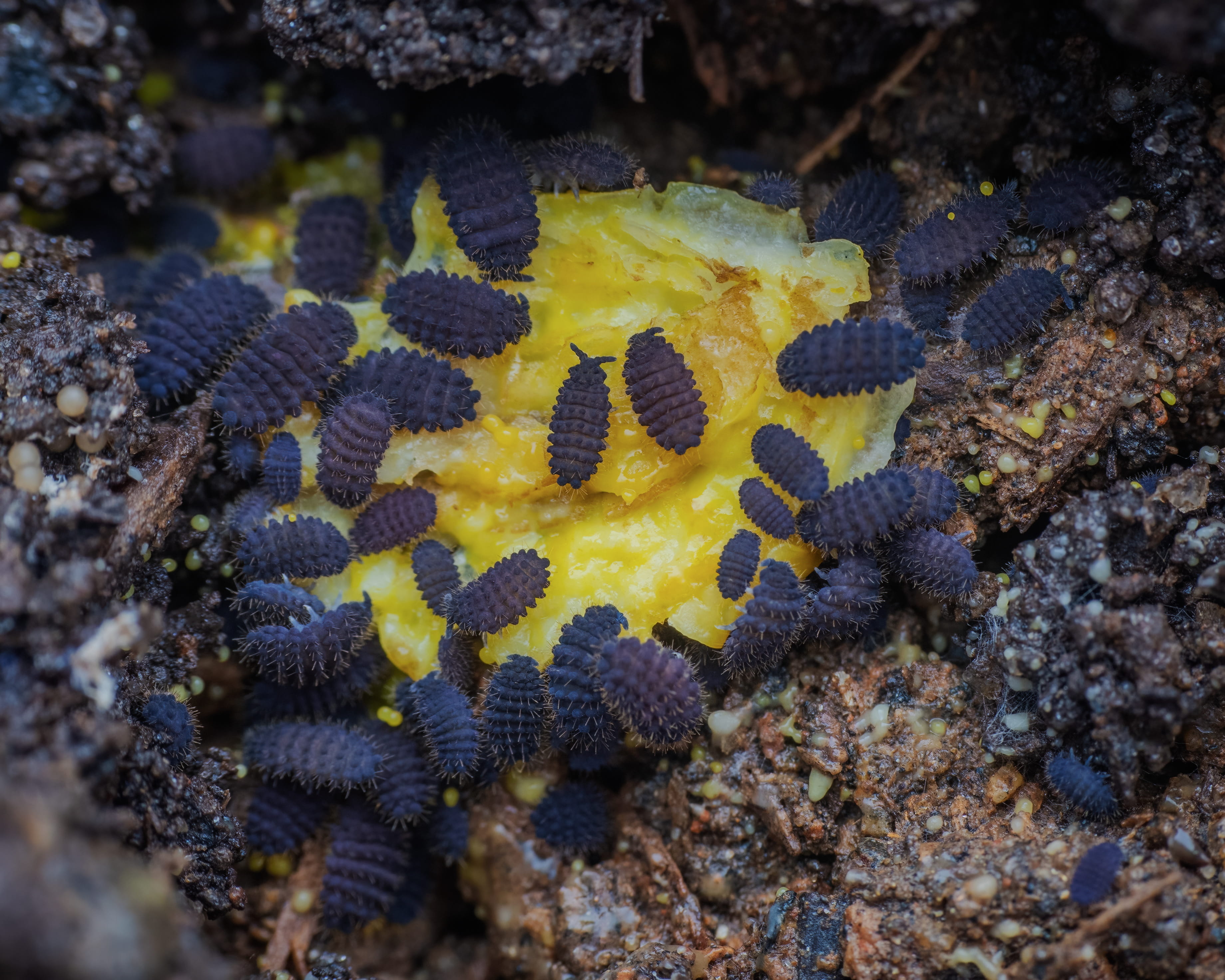
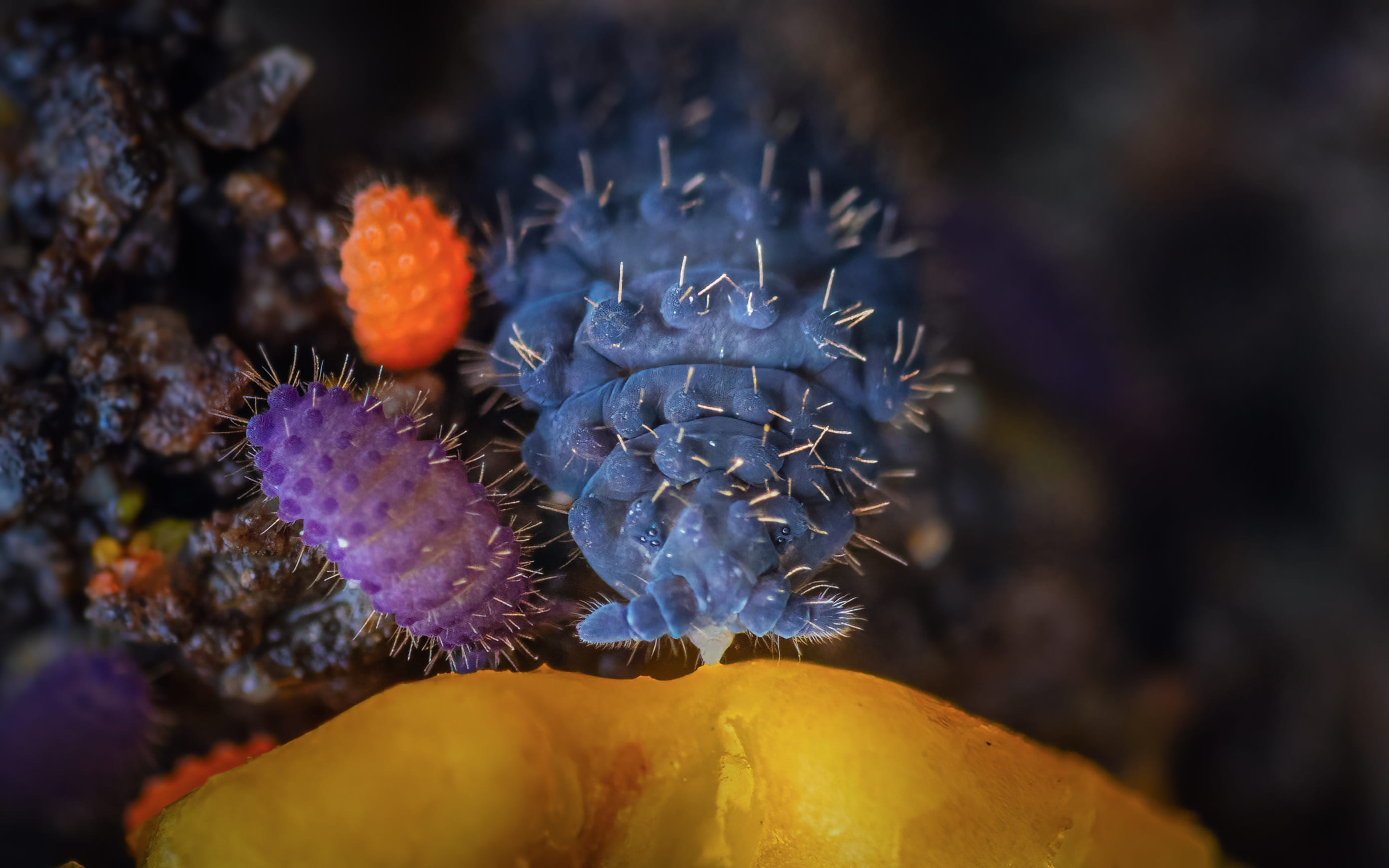
Tiny but mighty, Collembola (springtails) are essential soil organisms found in almost every terrestrial habitat—from leaf litter and forest floors to snowy surfaces, tree canopies, and deep caves. Despite their small size (usually around 1-2 mm), they play a major role in breaking down organic matter, cycling nutrients, and supporting healthy ecosystems. Some species are also used as sensitive indicators of soil pollution.
Collembola are not true insects but belong to a basal group of six-legged arthropods with internal mouthparts. Many of them possess a forked, spring-loaded organ called the furcula (or furca) that allows them to jump, and a ventral collophore (ventral tube) used for water balance. These adaptations help them thrive in diverse and sometimes extreme environments. Their evolutionary history stretches back over 400 million years, making them among the earliest known animals on land.
More than 9,500 species have been described so far, grouped into four orders: Entomobryomorpha, Poduromorpha, Symphypleona, and Neelipleona. However, the actual global diversity of Collembola may be many times greater, with numerous undescribed species likely hidden in both familiar and unexplored habitats.
Image Gallery